Why is gut health important?
The start of this blog is to inform and educate. I believe that if you understand why certain behaviour patterns negatively impact your physiological function, your motivation to change is greater.
We are starting with the gut, which refers to the stomach, small intestine, and large intestine (colon). It also includes the mouth, oesophagus, and rectum.
The gut contains trillions of microorganisms (bacteria, viruses, fungi), mainly concentrated in the large intestine, living in a mucosal layer on the inner walls.
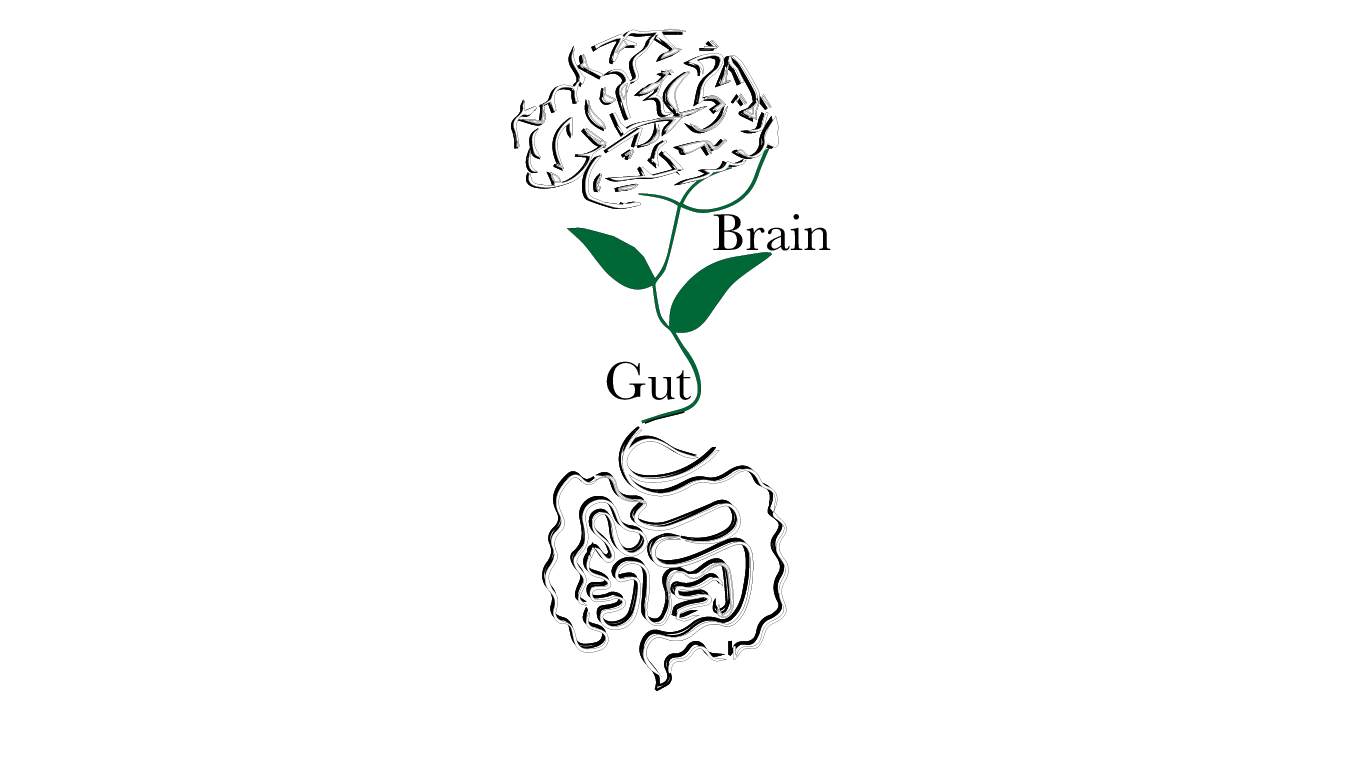
Your gut-brain axis
Keep these valuable golden threads clear so you can florish physically and mentally and your body can florish inside and out.
Key Functions of the Gut
Digestion and Absorption: Breaking down food for energy and nutrient absorption.
Immune Defence: Supporting immune function by killing harmful bacteria and defending the body.
Vitamin Production: Producing essential nutrients, including B vitamins and vitamin K.
Mental Health Connection: Communicating with the brain through the “gut–brain axis,” which can affect mental health.
The gut is the powerhouse—your engine.
If your gut is not working optimally, no matter how many iron-rich foods you ingest, they will not be metabolised. This is why it needs to be repaired first. It is the engine in our body; without the correct fuel, all our organs will not function optimally. This is often referred to as a “leaky gut.”
What’s Really Driving a “Leaky Gut”

If you struggle with IBS, low iron (anaemia), fatigue, or autoimmune symptoms, your gut lining plays a central role—whether you realise it or not.
“Leaky gut” (more accurately called increased intestinal permeability) happens when the gut barrier becomes compromised, allowing bacteria, toxins, and partially digested food to pass into the bloodstream, triggering inflammation and immune activation.
For many women, this isn’t caused by one thing, but by a combination of diet, stress, and lifestyle patterns over time.
The Key Drivers
1. Ultra-Processed Foods → Microbiome Damage + Inflammation
Ultra-processed foods don’t just lack nutrients—they actively disrupt your gut.
Why this matters:
They often contain trans fats—vegetable and seed oils heated to high temperatures, leading to low-grade inflammation in the gut lining
Additives and emulsifiers can damage the mucus layer that protects your gut
Low fibre intake means gut bacteria lack fuel
Harmful bacteria produce inflammatory compounds like lipopolysaccharides
This often shows up as:
Bloating
Food sensitivity
Irregular bowel habits
2. High Sugar, Cakes & Alcohol → Feed the Wrong Microbes
Why:
Sugar feeds yeast and harmful bacteria, worsening dysbiosis
Alcohol directly irritates the gut lining and increases permeability
Both increase systemic inflammation
For people with autoimmune conditions, this creates a constant immune “trigger state,” which can worsen symptoms.
3. Dairy & Wheat (Undiagnosed Intolerances)
You don’t need a diagnosis for foods to affect your gut—you will feel the symptoms.
Why:
Certain proteins (like gluten or casein) can trigger zonulin, a protein that opens gut junctions
Repeated exposure leads to chronic low-grade inflammation, causing that “full” feeling even when you haven’t eaten much
Poor digestion leads to fermentation, gas, irritation, and chronic bloating
4. Low Fibre Intake → Your Gut Starts “Eating Itself”
This is one of the most overlooked causes.
Why fibre is essential:
Gut bacteria ferment fibre into short-chain fatty acids (SCFAs) like butyrate.
Butyrate:
Fuels gut cells
Strengthens tight junctions
Reduces inflammation
Without fibre:
The microbiome turns to the gut lining as fuel
The protective mucus layer becomes thinner
Gut permeability increases
This is strongly linked to IBS and inflammation.
5. Low Fruit & Vegetable Intake → Loss of Protection
Fruits and vegetables are not just “healthy”—they actively regulate your gut.
Why:
Provide polyphenols → feed beneficial bacteria
Provide antioxidants → reduce gut inflammation
Support microbial diversity → key for resilience
Low intake is linked to:
Poor gut repair
Increased inflammation
Reduced nutrient absorption
6. Low Protein Intake → Poor Gut Repair
Your gut lining renews every few days.
Why protein matters:
Provides amino acids (like glutamine) needed for gut repair
Supports immune regulation
7. Lack of Exercise → Reduced Microbial Diversity
Why:
Exercise increases beneficial bacteria diversity
Helps regulate inflammation and gut motility
A sedentary lifestyle = slower digestion + more gut imbalance.
8. Poor Sleep → Hormonal & Gut Disruption
Sleep is when repair happens.
Why:
Increases cortisol → weakens the gut lining
Disrupts microbiome balance
Reduces healing capacity
This is particularly important for women, as hormonal balance is tightly linked to gut health.
9. High Caffeine Intake → Stress + Gut Irritation
Why:
Stimulates cortisol (stress hormone)
Can irritate the gut lining
Speeds up transit → poorer digestion
Especially problematic when:
Used instead of food
Combined with sugar
Used to compensate for poor sleep
10. Constant Eating (No Digestive Rest)
Your gut needs breaks.
Why:
The migrating motor complex (MMC) clears bacteria between meals
Constant snacking stops this process
Leads to bacterial overgrowth and bloating
Why This Hits Women Harder
Women are more vulnerable due to:
Higher rates of IBS
Increased risk of iron deficiency
Greater prevalence of autoimmune conditions
Hormonal fluctuations affect:
Gut motility
Inflammation
Microbiome balance
When the gut barrier is compromised:
Nutrient absorption drops (→ anaemia, fatigue)
The immune system becomes overactive (→ autoimmune flares)
Gut symptoms worsen (→ IBS cycle)
The Big Picture
Leaky gut isn’t about one “bad food.”
It’s the result of:
Low fibre + high processed food
Chronic stress + poor sleep
Unidentified food triggers
Lack of recovery (nutrition, movement, rest)
These factors don’t just affect digestion—they influence:
Energy
Hormones
Immunity
What Happens If Gut Issues Are Left Untreated?
When gut health is ignored, the effects rarely stay “just digestive.” Over time, imbalances in the gut can begin to impact multiple systems in the body.
Metabolic dysbiosis
An imbalance in gut bacteria can disrupt how your body processes nutrients, regulates blood sugar, and manages inflammation. This can leave you feeling fatigued, inflamed, and more prone to cravings and energy crashes.
Anaemia and poor iron absorption
Even with a diet rich in iron, a compromised gut struggles to absorb and utilise it effectively. This can lead to persistent iron deficiency, resulting in:
Fatigue
Weakness
Shortness of breath
Poor concentration
Worsening food intolerances
When the gut lining is compromised, more undigested food particles pass through, triggering immune responses. Over time, this can lead to:
Increased sensitivity to foods
More frequent bloating and discomfort
A progressively more restricted diet
Hormonal disturbances
The gut plays a key role in hormone regulation, particularly oestrogen. Poor gut health can lead to:
Hormonal imbalances
PMS symptoms
Irregular cycles
Worsening menopausal symptoms
Increased risk of autoimmune conditions:
A “leaky” gut can overstimulate the immune system. Over time, this may contribute to the development or worsening of autoimmune conditions, where the body begins to attack its own tissues.
Mental health: anxiety and depression
The gut and brain are deeply connected (often referred to as the gut–brain axis). Imbalances in gut bacteria can affect neurotransmitter production, contributing to:
Anxiety
Low mood
But when it comes to gut health, one man’s gold is another man’s poison. What works for one person can aggravate another.
Your journey to a healthy gut will be shaped by your genetic makeup, your ethnic background, your lifestyle, and your own personal Achilles’ heel—those unique vulnerabilities that make your body different from anyone else’s.
That’s why there is no one-size-fits-all approach. With the right support, you can develop a plan that is truly bespoke—tailored to your individual needs, your dietary preferences, and your starting point—so your body can finally begin to function the way it was designed to.
I